


The forestry sector is placing greater emphasis on environmental responsibility as landowners and forestry professionals seek to balance productive forest management with the protection of natural ecosystems. Climate change, biodiversity loss, soil degradation and water management all influence how forestry projects are planned and carried out.
Responsible forestry is therefore not simply about reducing environmental impacts. It involves understanding the characteristics of each site, anticipating potential risks and making management decisions that support forest health over the long term.
The ethical foundations of sustainable forestry
Environmental responsibility in forestry starts with recognizing that forests provide much more than timber. They support biodiversity, store carbon, protect soils and contribute to water regulation. Managing these functions alongside timber production requires a holistic management approach based on the specific conditions of each forest.
In practice, this can include protecting important habitats, maintaining ecological corridors, conserving vegetation along waterways and limiting unnecessary soil disturbance. Forest managers may also consider species diversity, regeneration capacity and the potential effects of climate-related stresses when developing management plans.
Recognized environmental certifications, including FSC and PEFC, can provide structured frameworks for responsible forest management and supply-chain traceability. Certification requirements vary by scheme and project, but they can help demonstrate that defined environmental and management practices are being followed.
Innovative practices for eco-responsible forestry
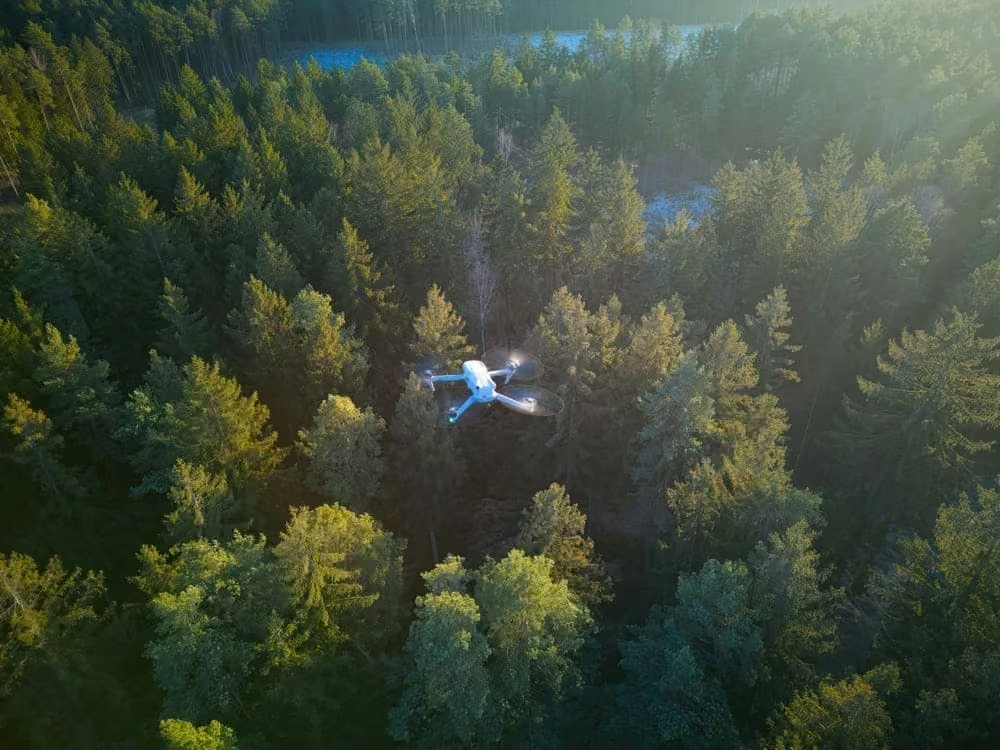
Technology is becoming an increasingly useful tool for improving sustainable forestry practices. Satellite imagery, drones and other monitoring technologies can provide information about forest condition, vegetation changes and potential areas requiring closer inspection. These tools support field assessments rather than replacing professional judgment.
Precision forestry also relies on geospatial data to understand differences between individual stands and parcels. Information about soil, terrain, vegetation and local environmental conditions can help determine where harvesting, thinning, regeneration or conservation measures are most appropriate.
Assisted natural regeneration can be considered where existing vegetation has the capacity to regenerate but requires targeted support. Depending on the site, this may involve protecting young trees, managing competing vegetation or selecting suitable species for future regeneration.
Equipment selection is another important consideration. Low-impact machinery and carefully planned harvesting or skidding operations can help limit soil compaction, damage to retained trees and disturbance to natural regeneration. The appropriate approach depends on terrain, soil conditions, stand characteristics and the type of work being carried out.
Ecosystem management and biodiversity preservation
Ecosystem-based management considers the relationships between trees, soils, water, wildlife and vegetation rather than treating timber production as an isolated objective. This approach helps forestry professionals identify environmental constraints and opportunities before operations begin.
Establishing conservation zones within managed forests can protect areas with particular ecological value. The appropriate size and location of these areas should be determined by site conditions, habitat characteristics and applicable management objectives rather than by a fixed percentage for every project.
Mixed forestry can contribute to greater structural and species diversity when species are well suited to local conditions. Combining appropriate hardwood and softwood species may create different habitats and help spread certain biological risks, although the benefits depend on the forest type and management strategy.
Planning ecological corridors can also help maintain connections between habitats and support wildlife movement. Riparian vegetation, wetlands and other naturally connected areas can provide additional benefits for water quality, bank stability and ecosystem functioning.
Green technologies and resource optimization
The adoption of green technologies can help forestry companies reduce resource use and better understand the environmental effects of their operations. Newer equipment, alternative power systems and improved machinery management may reduce fuel consumption, emissions or noise in suitable applications, although performance varies by machine and operating conditions.
The circular economy offers another way to improve the use of forest resources. Suitable residues and by-products can sometimes be used for biomass, energy or other applications, provided that sufficient material remains on site to support soil fertility, biodiversity and ecological processes.
Digital traceability systems can improve the tracking of timber and other materials throughout parts of the supply chain. Better records can support transparency, operational planning and compliance with applicable requirements.
Artificial intelligence and machine learning are also being explored for the prediction and prevention of forestry risks. These technologies can help analyze large datasets relating to weather, forest health and environmental conditions, but their usefulness depends on the quality of the underlying data and the expertise used to interpret the results.

Economic and social impact of environmental responsibility
Environmental responsibility can support the long-term viability of forestry businesses by helping them manage environmental risks, meet market expectations and protect the productive capacity of forest land.
Investing in sustainable practices may reduce avoidable resource use and help prevent environmental damage that could otherwise require costly corrective measures. Certification can also provide access to markets where buyers require specific sourcing or management standards, depending on the certification scheme and purchasing requirements.
A credible environmental approach can also contribute to organizational performance. Clear procedures, staff training and better planning can improve operational consistency while helping employees understand their role in responsible forest management.
Engaging local communities, landowners and relevant environmental stakeholders can further strengthen forestry projects. Early communication and practical collaboration can help identify local concerns, improve project planning and, where appropriate, support co-funding opportunities for conservation or restoration initiatives.
Environmental responsibility in forestry is ultimately a long-term process rather than a single operational measure. It requires site-specific assessment, sound management decisions, appropriate technology and regular monitoring. By combining productive forestry with the protection of soil, water, biodiversity and forest health, companies can build management strategies that are both practical and environmentally responsible.
Contact our experts today to discuss your forestry objectives and develop an approach adapted to your land, operational needs and environmental priorities.


